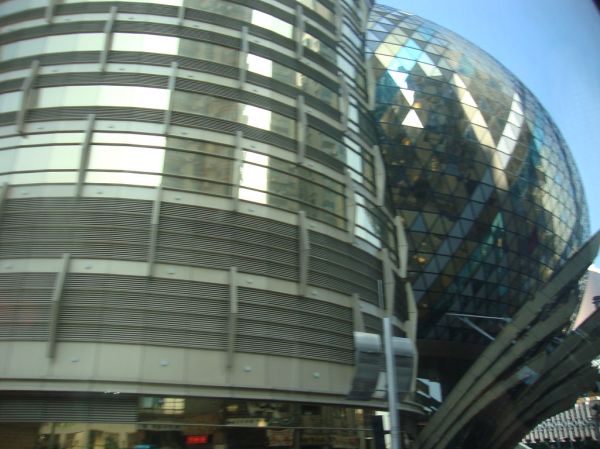
The Venetian Macau opened in 2007 on the Cotai Strip, transforming a strip of reclaimed land into one of the largest casino resorts in the world. Modelled on its sister property in Las Vegas, the building recreates canals, gondolas and Venetian-style facades under a vast indoor roof, blending Italian architectural pastiche with a modern integrated resort built for gaming, shopping and conventions.
Scale and design
What sets the Venetian Macau apart is sheer size. Its casino floor is among the largest anywhere, spread across several levels and containing thousands of gaming tables and slot machines. Surrounding the gaming areas is an equally sprawling shopping mall, complete with painted sky ceilings and canals where visitors can ride in gondolas steered by singing gondoliers, an unmistakably theatrical touch borrowed from its Las Vegas namesake.
Macau's transformation
The resort's scale reflects Macau's own transformation. Once a Portuguese trading post, the territory became a Special Administrative Region of China in 1999 and subsequently opened its gaming market to international operators. That decision drew major casino companies to Cotai, turning a former fishing backwater into a global gambling and entertainment centre that now rivals, and at times has surpassed, the Las Vegas Strip in gaming turnover.
More than a casino
Beyond gaming, the Venetian Macau was built as a convention and entertainment destination, with an arena hosting concerts and sporting events, extensive meeting facilities, and restaurants spanning many cuisines. This diversification mirrors a broader trend among large resort casinos, which increasingly rely on non-gaming revenue from shows, retail and dining to complement the casino floor.
For visitors and architecture enthusiasts alike, the Venetian Macau is best understood as a piece of themed entertainment architecture as much as a gambling venue, an example of how the modern casino resort has evolved into something closer to a small indoor city.


