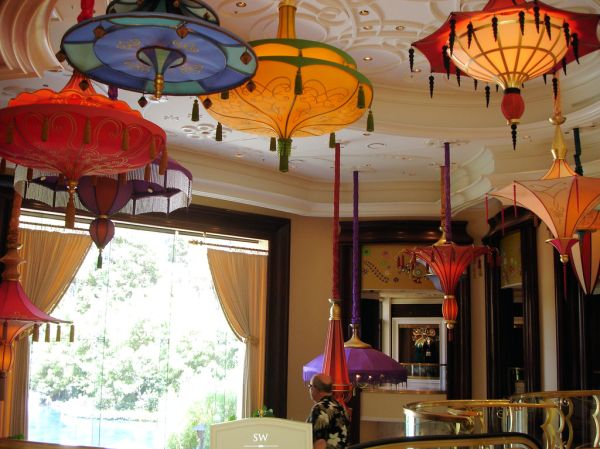
When Wynn Las Vegas opened in 2005, it marked a deliberate break from the theatrical, sign-plastered resorts that had defined the Strip for decades. Built on the site of the old Desert Inn by casino developer Steve Wynn, the resort turned its back on the street with a curved, copper-toned tower and a man-made mountain shielding the entrance from view. The idea was to make guests feel they had arrived somewhere private rather than at a roadside attraction.
A different approach to design
Wynn Las Vegas is known for its extensive use of natural light, manicured gardens and floral displays that change with the seasons inside the resort's conservatory-style spaces. Wynn had built earlier landmark resorts before this project, and this one was widely seen as his most personal, filled with an art collection and design choices that prioritised atmosphere over spectacle. A sister tower, Encore, was added in 2008, connected to the original building and following a similar design language.
Golf, art and the gaming floor
Unusually for the Strip, the resort backs onto its own golf course, a nod to the site's history as one of the earliest resort-and-golf combinations in Las Vegas. Inside, the casino floor was designed to feel less overwhelming than the vast, maze-like layouts common elsewhere, with natural light reaching areas that are normally kept deliberately dim. The games themselves, however, follow the same rules found across the Strip: every table and machine carries a built-in house edge, and no amount of ambience changes the underlying mathematics of the games on offer.
Legacy on the Strip
Wynn Las Vegas is often cited as the resort that pushed Las Vegas toward a more upscale, design-conscious era, influencing how later projects thought about lighting, landscaping and guest flow. It remains a useful case study in how a casino resort's architecture and atmosphere can shape a destination's identity well beyond the gaming tables themselves.
As with any casino, a visit is best approached as paid entertainment rather than a source of income, with a firm idea beforehand of what you are comfortable spending.


